
Why Finished Basement Resale Value Matters
Resale value is never just one number. It is a blend of market conditions, neighborhood expectations, home quality, design choices, buyer demand, and how well the project was completed.
That said, national data supports what many homeowners already suspect: basements can carry meaningful resale potential. The 2025 Cost vs. Value Report from Journal of Light Construction lists a basement remodel with a national average cost recouped of 71%, based on an average job cost of $52,012 and resale value of $36,905. While that report uses the term “remodel,” the same principle applies to many unfinished-basement projects: when unused lower-level space becomes functional living space, buyers tend to see more value in the home.
The National Association of REALTORS® also emphasizes that remodeling value is not only about cost recovery. Their Remodeling Impact research looks at buyer appeal, homeowner satisfaction, and how improvements affect the way people feel about their homes. That matters because a basement is one of the few areas where lifestyle and resale can work together.
In other words, a finished basement may not return every dollar at resale, and it should not be treated like a guaranteed investment account. But when it is designed well, built correctly, and aligned with what future buyers want, it can make your home more competitive.
You Add Livable Space Without Building an Addition
One of the biggest value drivers is simple: a finished basement gives the home more usable space.
An unfinished basement may technically be part of the property, but buyers often see it as storage, a future project, or a question mark. A finished basement changes that perception. Suddenly, the downstairs becomes part of the home’s everyday rhythm.
That added function can be especially valuable in established Omaha neighborhoods where homeowners want more space but do not necessarily want to move. A finished basement can create:
- A second family room
- A home theater or game-day lounge
- A kids’ playroom or teen hangout
- A home office
- A guest bedroom or suite, when code requirements are met
- A fitness area
- A craft room or hobby zone
- Organized storage that does not feel like an afterthought
The key is that the space needs to feel intentional. Buyers can tell when a basement was finished just to check a box. They can also tell when it was thoughtfully planned around flow, lighting, layout, comfort, and long-term use.
That is why Hawthorne Finished Basements focuses on basement finishing for unfinished spaces, not demolition-heavy basement remodeling. The goal is to take a blank lower level and build something that feels like it always belonged in the home.
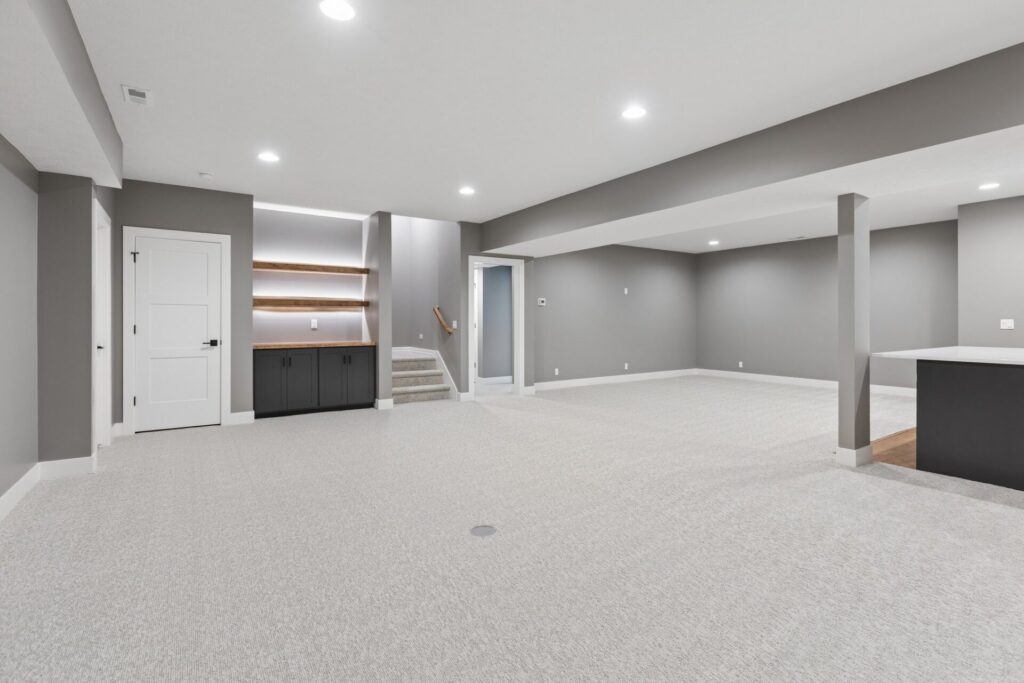
Buyers Love Flexible Space
A strong finished basement resale value often comes from flexibility. The best basements are not overly specific. They give buyers options.
A built-in theater with fixed seating may be perfect for one family but limiting for another. A wide-open lounge with good lighting, smart electrical planning, durable flooring, and storage can appeal to a much wider audience. The same space can become a movie room, playroom, office, workout area, or hosting space depending on who buys the home next.
That does not mean your basement has to be boring. It means the design should balance personality with adaptability.
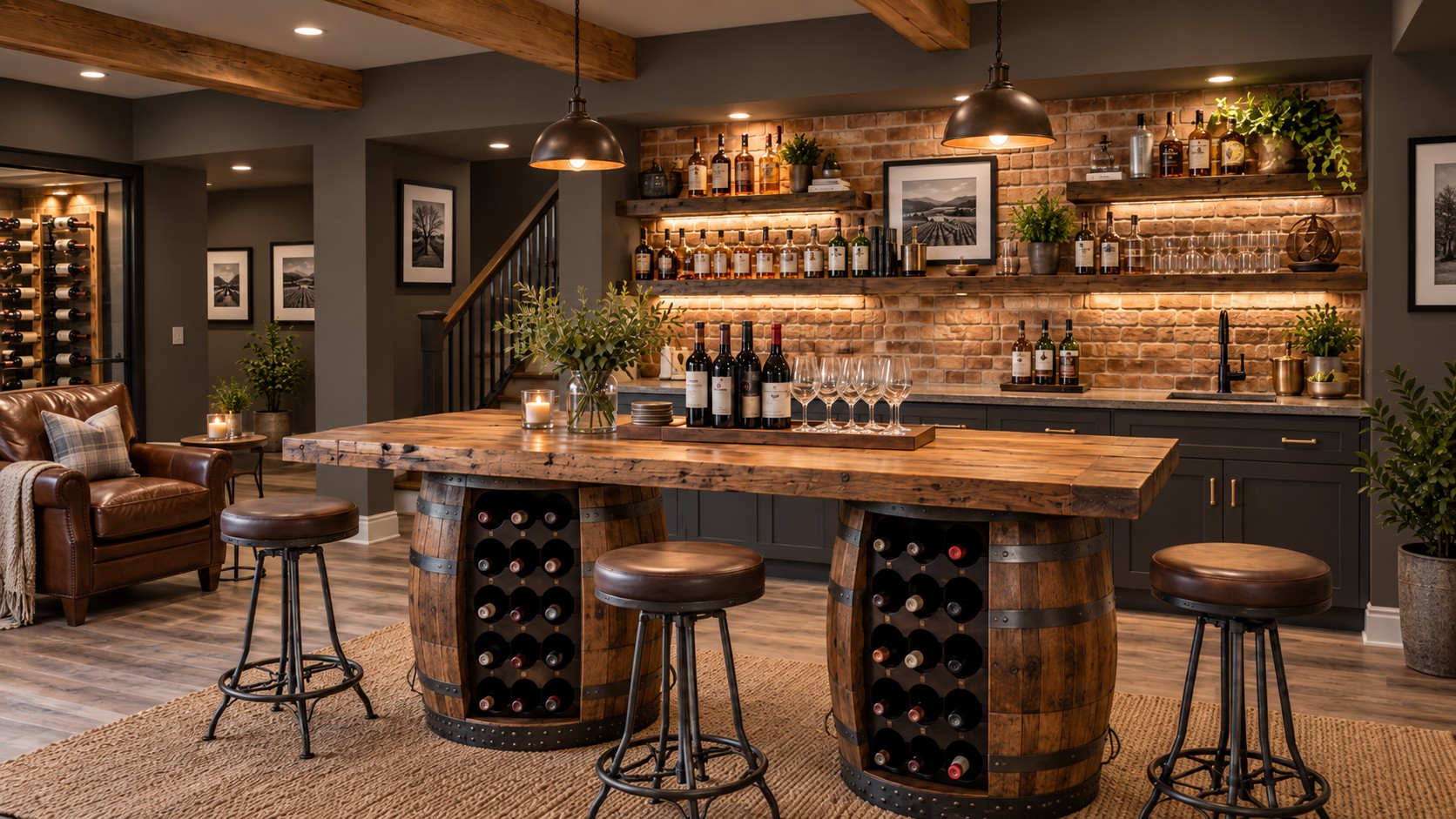
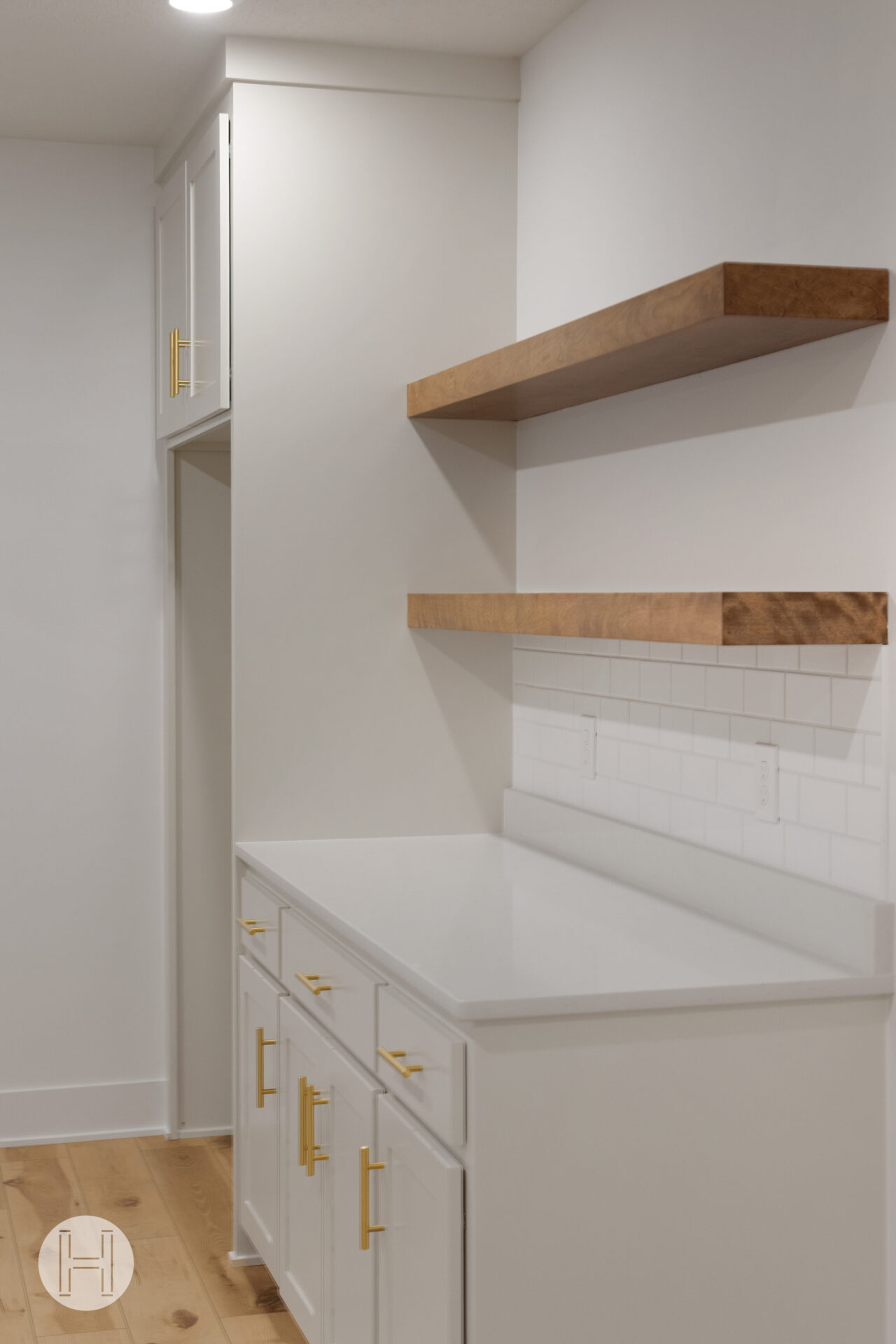
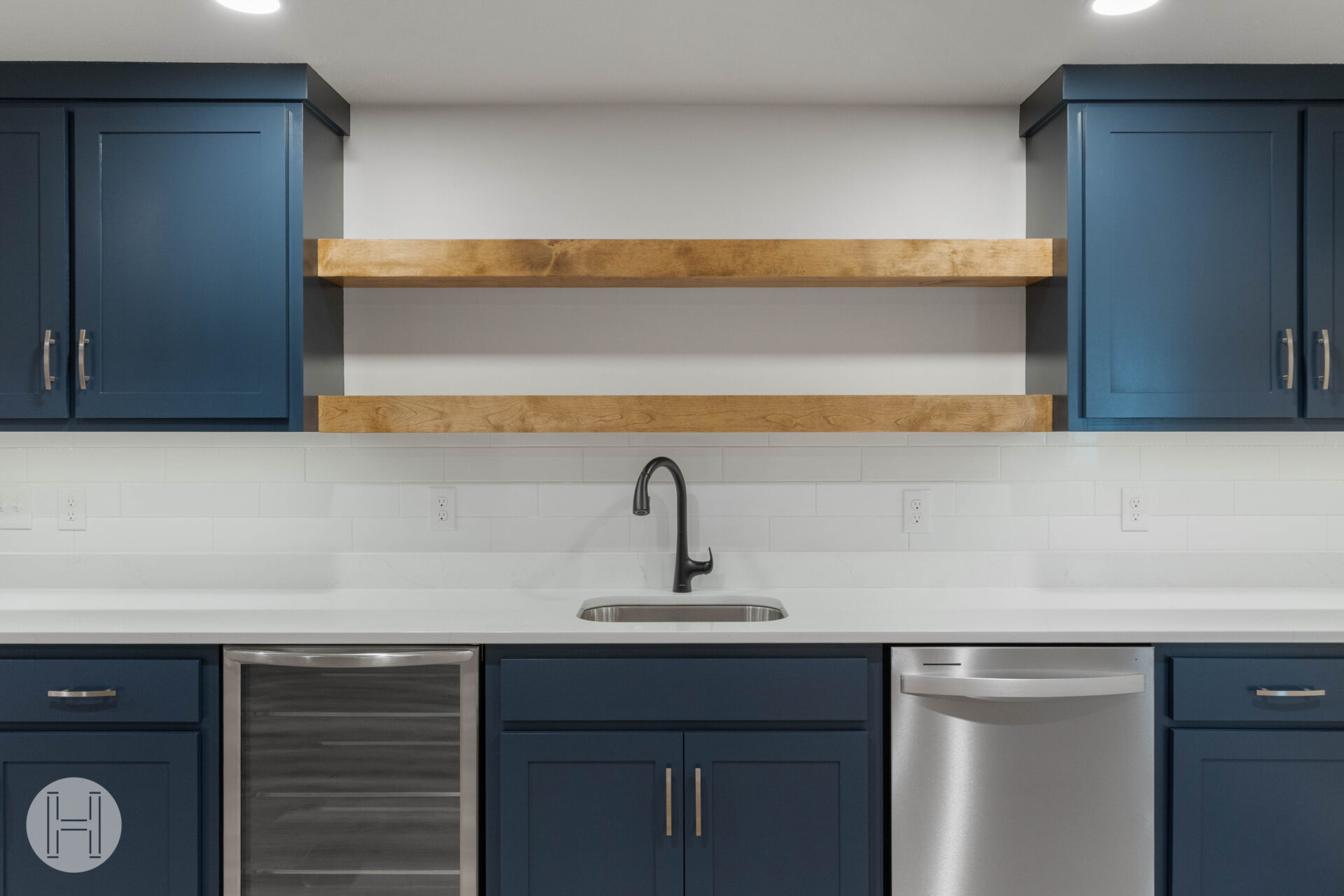
For example, a dry bar or wet bar can add polish and entertainment value, especially if the layout supports hosting. Hawthorne’s guide to wet bars vs. dry bars for basement projects breaks down how each option affects budget, plumbing, and function. Features like these can elevate the space, but they should still support the way the basement will actually be used.
The same is true for guest rooms, offices, storage, and play areas. The highest-value basement is not always the flashiest basement. It is the one that makes the home easier to live in.
A Finished Basement Helps Buyers See Possibility
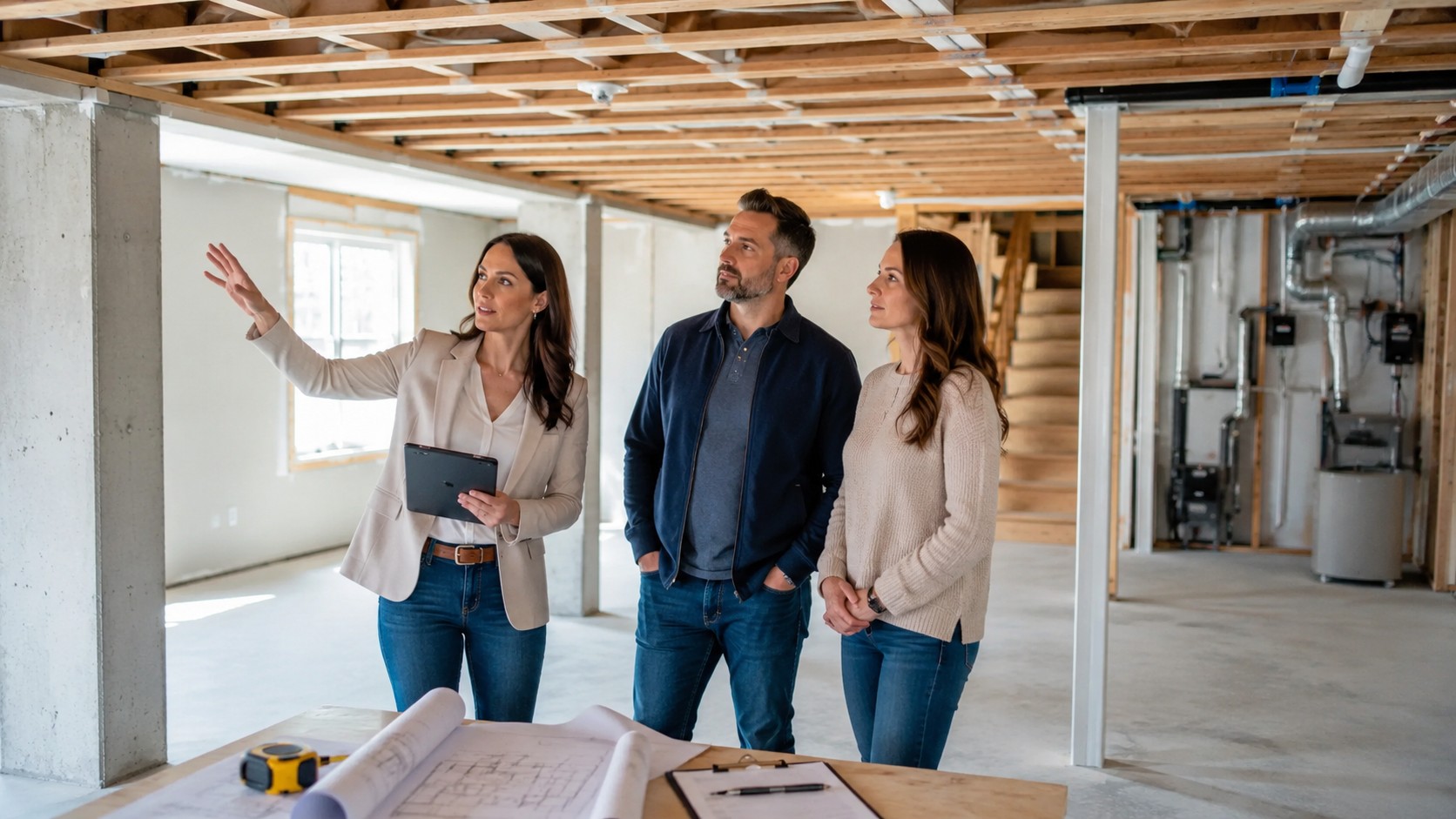
An unfinished basement often feels like a future project. Buyers start thinking about cost, timing, permits, contractors, and all the decisions they would have to make after moving in. A finished basement removes that burden. It helps the home feel more complete from day one.
It can also make a listing stronger online. Instead of showing concrete floors and exposed mechanicals, your home can show a polished lounge, guest space, bar area, home office, or family room. That extra visual appeal can help buyers understand the full potential of the home before they ever schedule a showing.
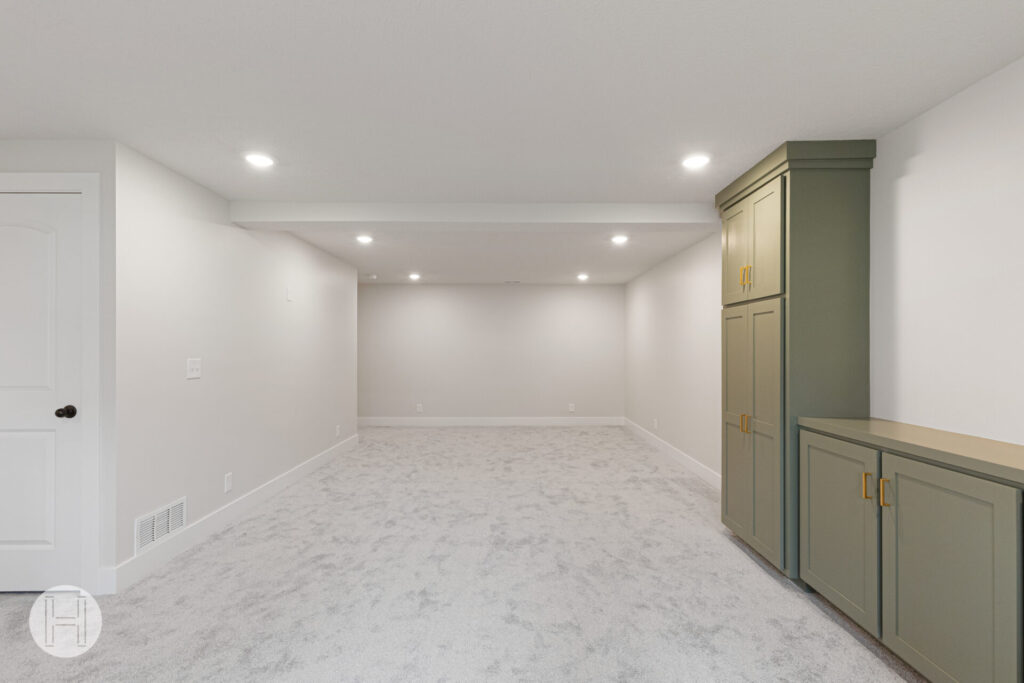
The Right Layout Can Make the Entire Home Feel Bigger
A basement should not feel like a separate world. It should feel connected to the home above it.
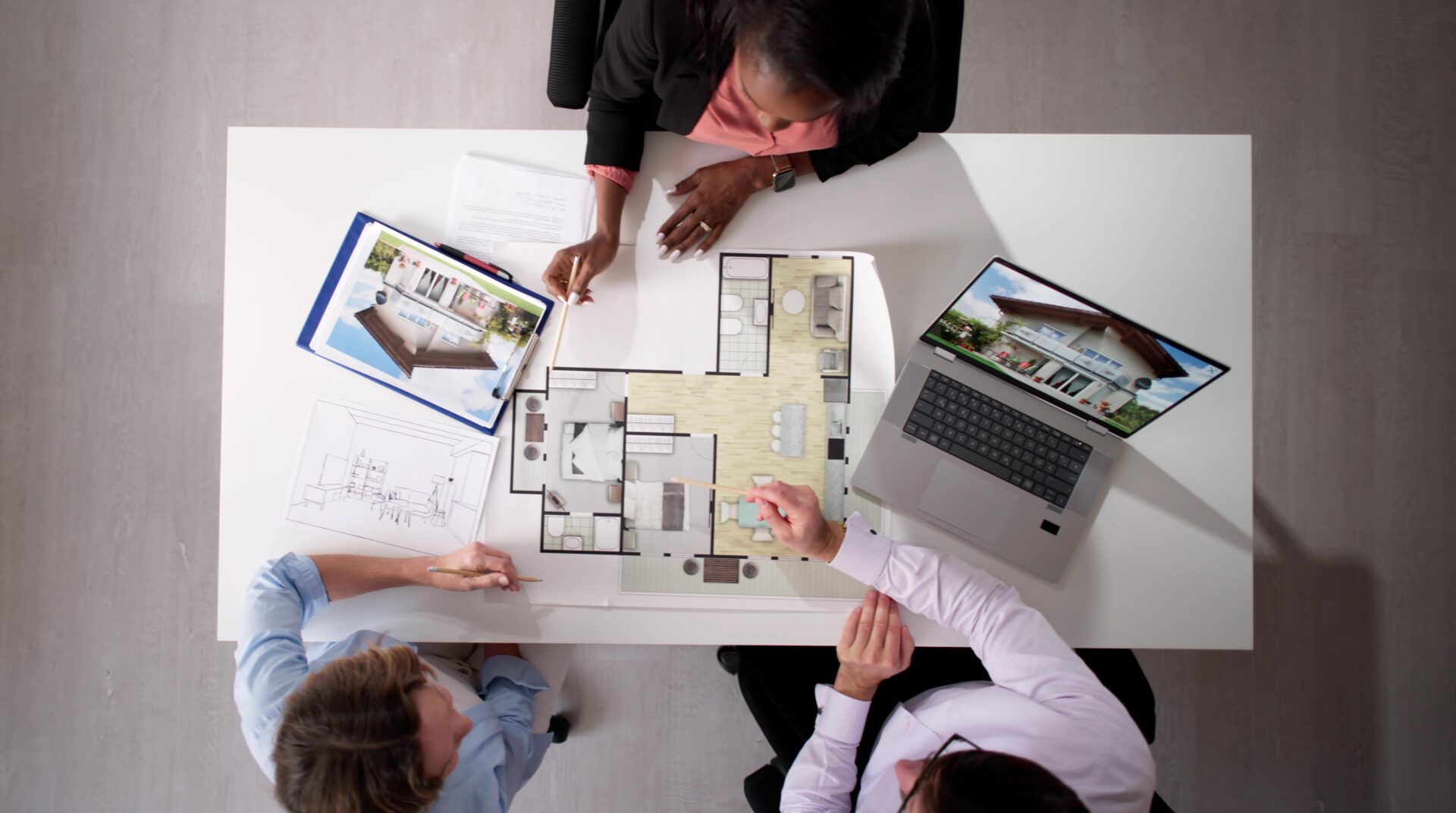
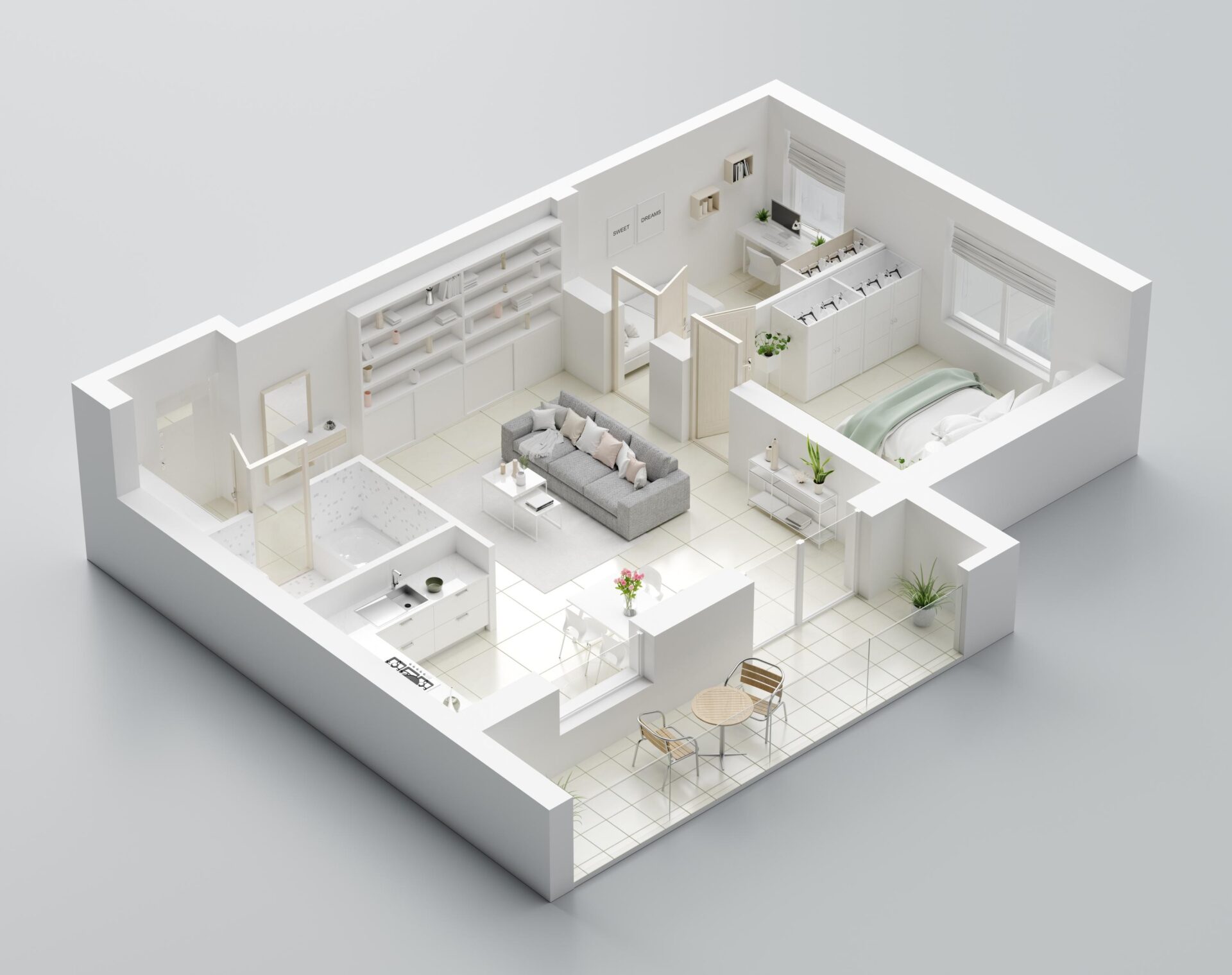
This is where design and planning have a direct impact on finished basement resale value. A choppy layout, awkward room sizes, poor lighting, or unclear traffic flow can make even a newly finished basement feel less useful. A strong layout makes the home feel bigger, smarter, and more balanced.
Good basement planning considers:
- How people enter the space
The stair landing should feel open, welcoming, and intentional. - Where natural light exists
Windows, egress locations, and lighting plans should work together to prevent the basement from feeling dark. - How rooms connect
Entertainment areas, bathrooms, bedrooms, storage, and mechanical spaces should be placed with purpose. - Where furniture will go
A room is only useful if real furniture fits comfortably. - How noise travels
Media rooms, playrooms, offices, and bedrooms all need different levels of separation.
This is why a clear process matters. Hawthorne’s basement finishing process is built around planning, communication, and thoughtful execution so the finished space is not just pretty—it works.
Quality Construction Protects Long-Term Value
A finished basement only helps resale when it is built correctly. Poor workmanship can do the opposite.
Buyers, inspectors, and appraisers will look beyond surface finishes. They may notice moisture concerns, electrical shortcuts, poor ventilation, low-quality trim, uneven flooring, or spaces that do not appear to meet code. Even if a basement looks good in photos, quality issues can become negotiation points during a sale.
That is why the behind-the-wall work matters just as much as the design. Framing, insulation, electrical planning, plumbing, HVAC, drywall, permits, and inspections all affect long-term value. Hawthorne has written more about City of Omaha permits and basement projects, and it is worth taking seriously. A finished basement should feel beautiful, but it also needs to be safe, durable, and properly planned.
When buyers see quality, they feel confidence. When they feel confidence, the home becomes easier to love.
Popular Basement Features That Can Support Resale
Not every feature adds equal value. The best choices improve daily life while staying appealing to future buyers.
A comfortable family lounge is one of the most universally useful basement spaces. A bathroom can improve function, especially when paired with a guest room, entertainment area, or home gym. A guest bedroom or suite can also add flexibility when proper egress and code requirements are met.
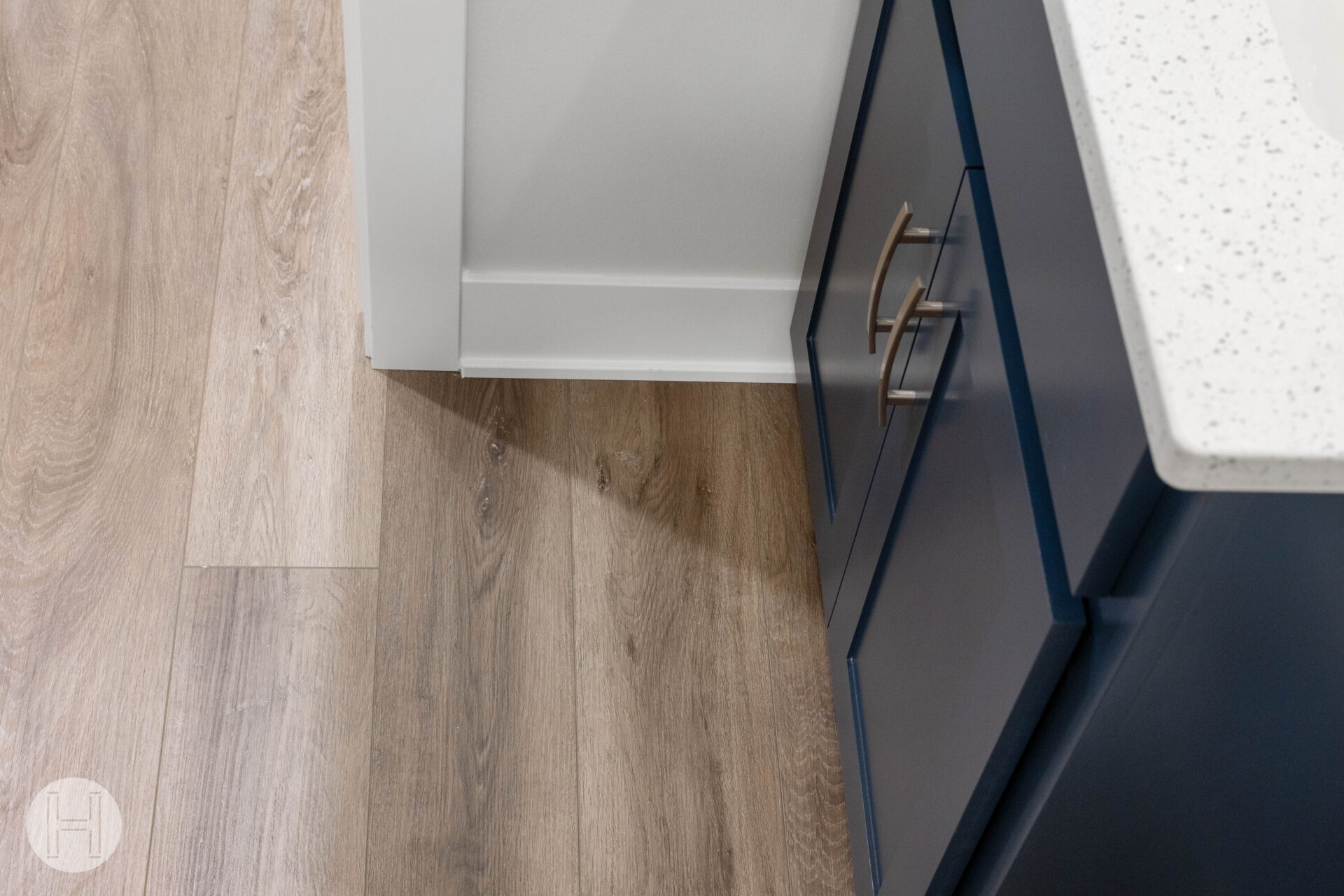
Durable flooring matters, too. Basements need materials that can handle real life, which is why luxury vinyl plank, tile, and other basement-friendly options often make more sense than materials that struggle with moisture or wear. Hawthorne’s guide to basement flooring that won’t warp or mold is a helpful resource for choosing materials that hold up.
Finally, do not overlook storage and entertainment features. Built-ins, under-stair storage, clean mechanical-room planning, bars, media walls, and game areas can make a basement feel more complete. You can browse Hawthorne’s finished basement projects to see how different layouts, finishes, and features come together in real homes.
Do Not Overbuild for the Neighborhood
One of the most important resale rules is this: build for your home, your lifestyle, and your market.
A high-end basement can be a great investment in the right home. But overbuilding beyond what buyers expect in your neighborhood can make it harder to recover the cost. The goal is not to add every premium feature possible. The goal is to make strategic decisions that improve the home without pushing the project out of alignment with its market.
That matters in high-demand Omaha-area communities where buyers may already expect a finished lower level. If comparable homes often include a basement bathroom, lounge, and guest area, those features can help your home compete. Ultra-custom choices may bring joy while you live there, but they may not carry the same resale impact later.
The sweet spot is a basement that feels elevated, useful, and broadly appealing.
You Get Value Before You Ever Sell
Resale value matters, but it is not the only value.
A finished basement can change how your home lives right now. It can give your family more space without moving. It can make hosting easier. It can create a quiet office, a better play area, a comfortable guest zone, or a place to unwind at the end of the day.
That everyday value matters because most homeowners do not finish a basement and sell immediately. They live in it. They make memories in it. They use it through every season.
So the better question may not be, “Will I get every dollar back?” The better question is, “Will this investment improve our life now while making the home more attractive later?”
For many homeowners, the answer is yes.
Planning Is What Turns a Basement Into an Asset
A finished basement can increase resale value, but only when the project is planned with care. The layout needs to make sense. The finishes need to fit the home. The construction needs to be done correctly. The design needs to feel polished without becoming too narrow for future buyers.
That is the difference between simply finishing square footage and creating a lower level that strengthens the entire home.
If you are thinking about basement finishing in Omaha, Elkhorn, Papillion, Bennington, Gretna, Ashland, or the surrounding area, start with a clear plan. Think about how your family lives now, what future buyers will value, and how the space can serve both.
At Hawthorne Finished Basements, we help homeowners turn unfinished basements into intentional, beautiful spaces built around clarity, communication, and craftsmanship. Your basement should not feel like an afterthought. It should feel like one of the best parts of your home.
Ready to explore what your unfinished basement could become? Start the process with Hawthorne Finished Basements and let’s build a space that works now—and works harder when it is time to sell.